



Hur förbättrar en produktionslinje för vattentät kartong effektivitet och kvalitet i moderna konstruktionsmaterial?
Waterproof boards have become a cornerstone of modern construction, offering durability, moisture resistance, and versatility across residential, commercial, and industrial projects. The Waterproof Board Production Line is designed to meet the growing demand for high-performance boards with consistent quality and scalable production capabilities. Integrating advanced machinery and precise process control, these production lines allow manufacturers to optimize throughput, reduce waste, and ensure compliance with global construction standards.
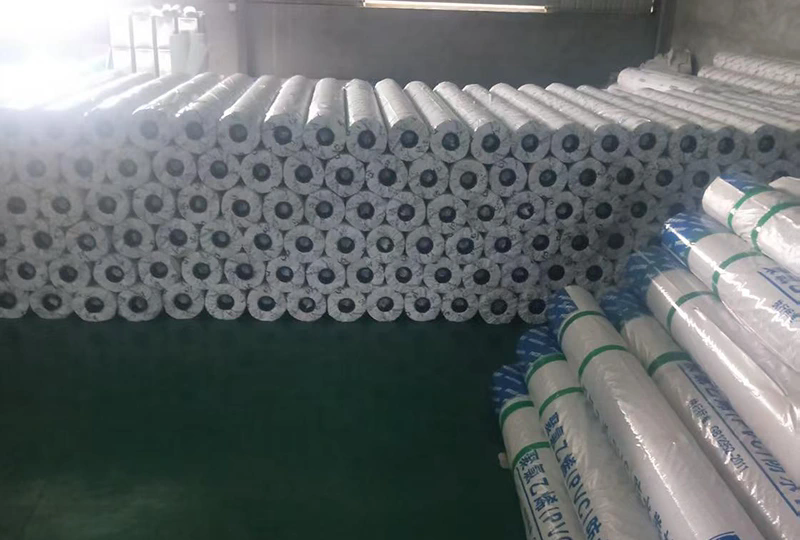
The primary goal of a waterproof board production line is to streamline the manufacturing process of high-quality waterproof boards while ensuring reliability, efficiency, and adaptability. By incorporating modern automation, precision heating, mixing, and pressing systems, manufacturers can produce boards suitable for flooring, wall panels, and roofing applications with minimal defects.
| Key Parameters of Waterproof Board Production Line | Specification / Detail |
|---|---|
| Production Capacity | 500–2000 m²/day (adjustable based on board thickness and material) |
| Board Thickness Range | 6mm–25mm |
| Board Width Range | 1200–2400mm |
| Raw Material Compatibility | Cement, fiberglass, polymers, additives |
| Automation Level | PLC control with HMI interface |
| Pressing Type | Hydraulic or vacuum hot press |
| Drying System | Continuous tunnel drying with temperature and humidity control |
| Energy Consumption | 2–5 kWh/m² (dependent on production speed and thickness) |
| Production Line Length | 50–120 meters (configurable) |
| Operating Temperature Range | 20–85°C (for resin or polymer curing) |
| Noise Level | ≤75 dB (optimized for industrial safety standards) |
This table provides a snapshot of the technical capabilities that make the waterproof board production line highly suitable for high-volume, precision manufacturing. The line’s modular design ensures easy integration into existing facilities, allowing for future expansion without significant downtime.
How Does the Production Line Enhance Product Consistency and Material Performance?
Consistency is a critical factor in the quality of waterproof boards. Variations in thickness, density, or moisture content can compromise structural integrity and water resistance. The waterproof board production line addresses these issues through several key mechanisms:
-
Automated Raw Material Feeding: Using precision feeders and weighing systems, raw materials such as cement, polymers, fiberglass, and additives are measured with accuracy down to grams. This ensures the correct chemical composition for optimal board performance.
-
Uniform Mixing and Homogenization: Industrial mixers in the production line achieve thorough blending of all components, eliminating air pockets and material segregation. This step directly impacts water resistance, tensile strength, and overall durability.
-
Controlled Pressing and Curing: Hydraulic or vacuum presses apply uniform pressure, while controlled temperature and humidity ensure proper curing. This process minimizes warping, cracking, or surface defects, producing boards with consistent density and mechanical properties.
-
Real-Time Quality Monitoring: Sensors and vision systems track key production metrics, including moisture content, thickness, and surface quality. Automated alerts allow operators to correct deviations immediately, reducing waste and maintaining high production standards.
By integrating these technological solutions, manufacturers can achieve a reproducible, high-quality output that meets the stringent requirements of modern construction projects.
How Does a Waterproof Board Production Line Compare to Traditional Manufacturing Methods?
Comparing automated production lines to conventional board manufacturing methods highlights several distinct advantages:
| Feature | Traditional Method | Automated Production Line |
|---|---|---|
| Production Speed | 100–300 m²/day | 500–2000 m²/day |
| Labor Intensity | High (manual mixing, pressing) | Low (automated feeding and control) |
| Product Consistency | Variable | High (precision control of thickness, density, water resistance) |
| Material Waste | Moderate to High | Low (optimized feeding and process control) |
| Energy Efficiency | Moderate | High (optimized heating, pressing, and drying) |
| Quality Monitoring | Limited | Real-time data tracking and control |
The comparison demonstrates that automated production lines are far more efficient, reduce human error, and provide predictable product quality. For manufacturers aiming to scale production while maintaining competitive standards, transitioning to an automated line is a strategic investment.
Common Questions About Waterproof Board Production Lines
Q1: What types of waterproof boards can be produced with this line?
A1: The production line is highly versatile, capable of manufacturing cement-bonded boards, fiber-reinforced polymer boards, gypsum-based waterproof panels, and composite boards. Boards can be customized in thickness, width, and density according to client specifications, suitable for flooring, wall cladding, roofing, and exterior facade applications.
Q2: How does the line ensure energy efficiency and reduce operational costs?
A2: Energy efficiency is achieved through optimized tunnel drying, controlled heating systems, and hydraulic pressing that minimizes energy loss. PLC automation allows precise control of production parameters, reducing overuse of raw materials and energy. Recovery systems can capture residual heat for reuse in the drying process, further lowering operational costs while improving sustainability.
How Will Future Trends Influence the Development of Waterproof Board Production Lines?
The waterproof board industry is evolving rapidly, driven by global demand for sustainable, durable, and lightweight construction materials. Key trends shaping the future include:
-
Green Manufacturing and Eco-Friendly Materials: Demand for boards made from recycled or low-emission materials is rising. Production lines are adapting to incorporate bio-based polymers, recycled cement, and industrial byproducts to reduce environmental impact.
-
Smart Manufacturing and IoT Integration: Advanced production lines are increasingly equipped with IoT devices, sensors, and AI-driven analytics. Real-time monitoring allows predictive maintenance, process optimization, and reduced downtime, enhancing production efficiency and product quality.
-
Customization and Modular Construction: With the growth of modular construction techniques, the need for boards tailored to specific project dimensions and properties is increasing. Modern production lines are designed to adjust quickly to different board specifications without requiring extensive reconfiguration.
-
Energy Efficiency and Carbon Footprint Reduction: Governments and construction standards are imposing stricter regulations on energy consumption and carbon emissions. Innovative drying systems, heat recovery, and energy-optimized presses ensure that production lines comply with these standards while reducing operational costs.
-
Integration with Digital Supply Chains: Connectivity between production lines, warehouses, and logistics allows for precise inventory management, timely delivery, and reduced lead times, supporting the just-in-time manufacturing model.
These trends suggest that waterproof board production lines will continue to evolve toward greater automation, sustainability, and adaptability to changing construction requirements. Manufacturers that invest in these technologies are better positioned to compete globally.
How Can Manufacturers Choose the Right Waterproof Board Production Line?
Selecting the ideal production line requires a careful evaluation of technical specifications, production capacity, and long-term operational goals. Key considerations include:
-
Production Volume Requirements: Assess the desired daily or monthly output and select a line that can meet or exceed these targets without compromising quality.
-
Board Specifications: Determine the range of thickness, width, and material types the line must handle. A flexible system accommodates future product diversification.
-
Automation Level: High automation reduces labor costs and increases consistency but requires skilled operators and initial investment.
-
Energy and Resource Efficiency: Evaluate energy consumption, material usage, and potential for waste reduction to ensure sustainable operations.
-
Maintenance and Service: Consider ease of maintenance, availability of spare parts, and the support network of the manufacturer to minimize downtime.
By addressing these factors, companies can ensure a production line that balances performance, cost, and future growth.
How Does Haiming Lead in Waterproof Board Production Line Manufacturing?
Haiming is a recognized leader in the design and manufacturing of waterproof board production lines. Combining decades of engineering expertise with a commitment to innovation, Haiming delivers solutions that enhance efficiency, ensure product quality, and adapt to evolving industry trends. Their production lines are known for:
-
High precision and consistency in board manufacturing.
-
Advanced automation systems with PLC and HMI control interfaces.
-
Sustainable energy use and environmentally friendly materials.
-
Modular design enabling scalable production and customization.
Companies worldwide trust Haiming for reliable, high-performance waterproof board production lines that meet both current demands and future requirements.
For further inquiries about Haiming waterproof board production lines, production capabilities, or technical consultation, contact us to explore tailored solutions and detailed specifications.
Skicka förfrågan



X
Vi använder cookies för att ge dig en bättre webbupplevelse, analysera webbplatstrafik och anpassa innehåll. Genom att använda denna sida godkänner du vår användning av cookies.
Sekretesspolicy